
Introduction
GI pipe, short for Galvanized Iron pipe, is one of the most commonly used construction materials in the Philippines. Whether for plumbing systems, structural framing, fencing, or industrial applications, GI pipes are valued for their strength, durability, and resistance to corrosion.
In this complete guide, we will discuss:
- What GI pipe is
- Common uses in construction
- Standard sizes and specifications
- Advantages and disadvantages
- Price guide in the Philippines
- Installation tips
- Cost estimation considerations
If you are a contractor, engineer, foreman, or homeowner planning a construction project, this guide will help you understand how to properly select and estimate GI pipes.
What is a GI Pipe?
A GI pipe (Galvanized Iron pipe) is a steel pipe coated with a protective layer of zinc through a process called galvanization. The zinc coating protects the steel from rust and corrosion, extending its lifespan especially in outdoor and humid environments.
In the Philippines, GI pipes are widely used because of:
- High humidity levels
- Coastal exposure in many regions
- Frequent rainfall
- Outdoor structural applications
The galvanization process makes GI pipes suitable for water supply systems and structural components exposed to weather conditions.
Common Uses of GI Pipe in Construction
GI pipes serve multiple purposes in residential, commercial, and industrial projects.
1. Plumbing Systems
GI pipes are traditionally used for:
- Cold water supply lines
- Outdoor water distribution
- Fire line systems
- Deep well pump connections
Although PVC and PPR pipes are now common for indoor plumbing, GI pipes are still preferred for exposed and heavy-duty applications.
2. Structural Applications
Because of their strength and rigidity, GI pipes are often used for:
- Gate frames
- Fence posts
- Canopy structures
- Roof framing supports
- Trusses (light steel applications)
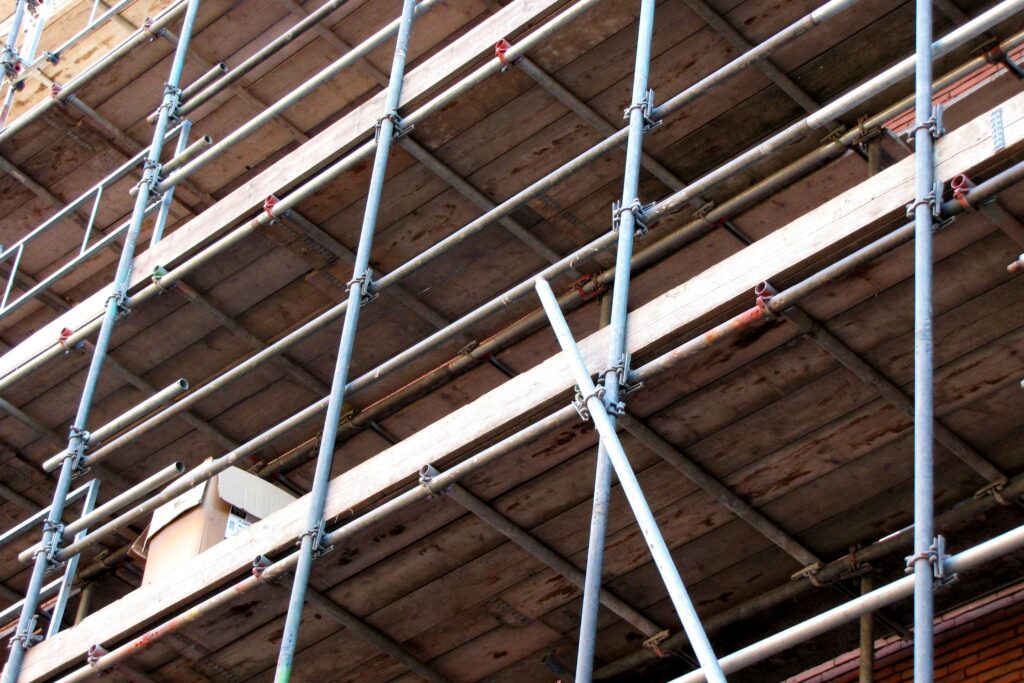
- Scaffolding
For budget-conscious projects, GI pipes offer a practical structural solution.
3. Agricultural and Industrial Uses
GI pipes are also used in:
- Irrigation systems
- Farm structures
- Mechanical installations
- Compressed air lines
Their durability makes them suitable for demanding environments.
Standard GI Pipe Sizes in the Philippines
GI pipes are available in various diameters and thicknesses. The most common nominal sizes include:
- ½ inch (15mm)
- ¾ inch (20mm)
- 1 inch (25mm)
- 1 ½ inch (40mm)
- 2 inch (50mm)
- 3 inch (75mm)
- 4 inch (100mm)
Most suppliers sell GI pipes in 6-meter standard lengths.
GI Pipe Schedule (Wall Thickness)
GI pipes are classified according to wall thickness or “schedule.”
- Schedule 20 – Light duty
- Schedule 40 – Standard thickness
- Schedule 80 – Heavy duty
For plumbing and general construction, Schedule 40 is the most commonly used type.
When selecting GI pipes, always consider:
- Required pressure rating
- Structural load
- Exposure conditions
- Project specifications
Advantages of GI Pipe
Here are the key benefits of using GI pipes:
1. Corrosion Resistance
The zinc coating provides protection against rust, especially in humid and outdoor environments.
2. High Strength
GI pipes can withstand impact and structural loads better than many plastic alternatives.
3. Long Service Life
When properly installed and maintained, GI pipes can last for decades.
4. Fire Resistance
Unlike plastic pipes, GI pipes are non-combustible.
5. Wide Availability
GI pipes are readily available in hardware stores and construction suppliers nationwide.
Disadvantages of GI Pipe
While GI pipes are durable, they also have limitations:
1. Heavy Weight
They are heavier than PVC or PPR pipes, making installation more labor-intensive.
2. Corrosion Over Time
If the zinc coating is damaged, rust can develop.
3. Higher Cost Compared to PVC
Material and labor costs are generally higher.
4. Threaded Connections Required
Installation requires threading tools and proper fittings.
Understanding both advantages and disadvantages helps in proper material selection.
GI Pipe vs PVC Pipe: Which is Better?
Choosing between GI and PVC pipes depends on the application.
| Feature | GI Pipe | PVC Pipe |
|---|---|---|
| Strength | High | Moderate |
| Corrosion Resistance | Good | Excellent |
| Weight | Heavy | Lightweight |
| Cost | Moderate to High | Lower |
| Fire Resistance | Yes | No |
For structural works and exposed installations, GI pipe is often preferred. For drainage systems and concealed plumbing, PVC may be more economical.
GI Pipe Price Guide in the Philippines (Estimated)
Prices vary depending on brand, schedule, diameter, and location. Below are estimated price ranges:
- ½” GI Pipe (6m) – ₱300 to ₱500
- ¾” GI Pipe (6m) – ₱500 to ₱800
- 1” GI Pipe (6m) – ₱700 to ₱1,200
- 2” GI Pipe (6m) – ₱2,000 and above
Prices may fluctuate due to:
- Steel market conditions
- Import costs
- Transportation
- Regional supply and demand
Always request updated quotations from suppliers before finalizing estimates.
Installation Tips for GI Pipe
Proper installation ensures durability and prevents leaks or premature corrosion.
1. Proper Threading
Use correct pipe threading tools and ensure clean, precise threads.
2. Use Quality Sealant
Apply Teflon tape or pipe compound to prevent leaks.
3. Protect the Galvanized Coating
Avoid excessive grinding or cutting that removes zinc protection.
4. Provide Adequate Supports
Install pipe clamps or brackets at proper spacing to prevent sagging.
5. Inspect Regularly
In coastal areas, periodic inspection is recommended to monitor corrosion.
Cost Estimation Considerations for GI Pipe
For engineers and estimators, GI pipe costing involves more than just material price.
1. Material Cost
Compute based on:
- Length required
- Diameter
- Schedule
- Allowance for wastage (usually 5–10%)
2. Fittings and Accessories
Include:
- Elbows
- Tees
- Couplings
- Nipples
- Unions
- Clamps
3. Labor Cost
GI pipe installation requires skilled labor for threading and alignment.
4. Equipment
Consider threading machines and cutting tools.
5. Contingency
Add contingency (typically 5–10%) for unforeseen adjustments.
Accurate quantity takeoff ensures better project budgeting and cost control.
Maintenance and Lifespan
GI pipes can last 20 to 50 years depending on:
- Environmental exposure
- Water quality
- Installation quality
- Maintenance practices
To extend lifespan:
- Avoid direct contact with corrosive chemicals
- Apply protective paint for outdoor installations
- Replace damaged sections promptly
Preventive maintenance reduces long-term replacement costs.
Frequently Asked Questions About GI Pipe
Is GI pipe good for drinking water?
Yes, but water quality and local regulations should be considered.
Can GI pipe be used underground?
It can, but proper coating or wrapping is recommended to prevent corrosion.
Is GI pipe better than stainless steel?
Stainless steel offers superior corrosion resistance but is more expensive.
Final Thoughts
GI pipe remains a reliable and widely used construction material in the Philippines. Its strength, durability, and versatility make it suitable for plumbing systems, structural works, fencing, and industrial applications.
When selecting GI pipes for your project, always consider:
- Correct pipe size and schedule
- Updated market prices
- Proper installation methods
- Long-term maintenance
Whether you are a contractor preparing a bid, an engineer creating specifications, or a homeowner building your dream house, understanding GI pipes helps ensure cost-effective and durable construction.
For more construction material guides, cost estimation tips, and engineering resources, explore our other articles designed to help Filipino builders and professionals make informed decisions.