
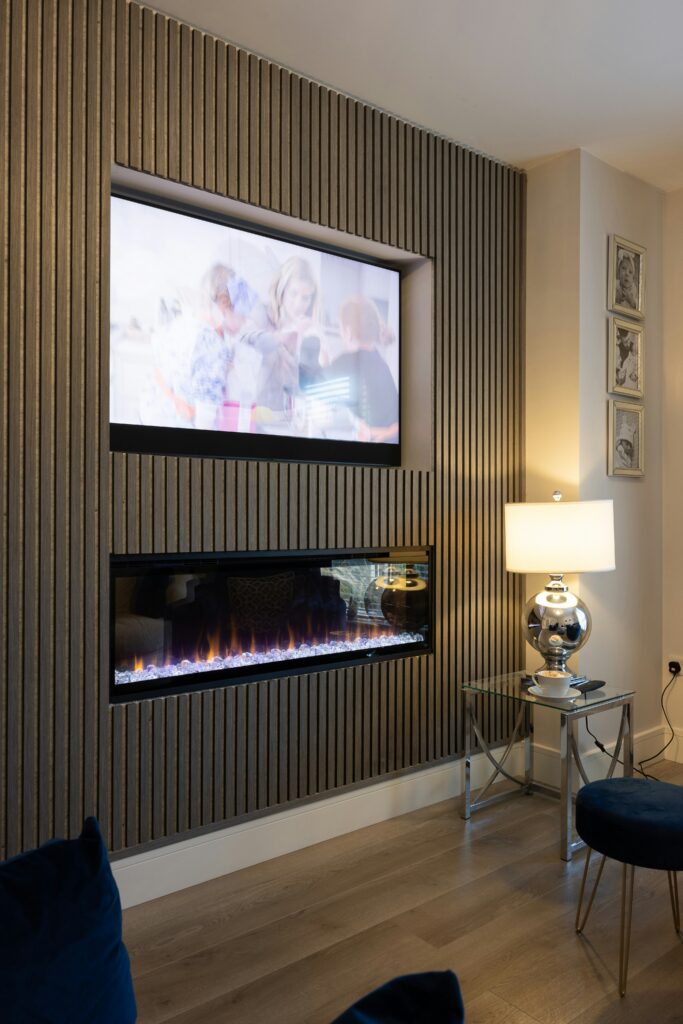
WPC Wall Cladding is becoming one of the most popular modern wall finishing solutions in the Philippines. Known for its durability, weather resistance, and wood-like appearance, WPC (Wood Plastic Composite) offers a long-lasting alternative to traditional timber cladding.
Whether you are building a residential house, renovating a commercial space, or upgrading your exterior façade, understanding WPC wall cladding can help you make informed decisions about materials, installation, and cost.
This comprehensive guide covers everything you need to know about WPC wall cladding, including its advantages, applications, installation process, maintenance, and estimating tips.
What is WPC Wall Cladding?
WPC stands for Wood Plastic Composite, a hybrid material made from a combination of:
- Wood fibers or wood flour
- Thermoplastics (such as polyethylene or polypropylene)
- Additives for strength, UV protection, and durability
This engineered material is designed to provide the natural look of wood while eliminating common wood-related problems such as termite damage, rotting, warping, and frequent repainting.
Because of its enhanced durability, WPC cladding is widely used in both interior and exterior construction projects.
Why WPC Wall Cladding is Popular in the Philippines
The Philippine climate is characterized by high humidity, heavy rainfall, and intense sunlight. Traditional wood materials often deteriorate quickly under these conditions.
WPC wall cladding is ideal for tropical environments because it is:
- Moisture resistant
- UV resistant
- Termite resistant
- Less prone to cracking and swelling
For homeowners and contractors looking for low-maintenance exterior finishes, WPC is a practical and cost-effective solution.
Applications of WPC Wall Cladding
WPC wall cladding is highly versatile and can be used in various types of construction projects.
Exterior Applications
- Residential house façades
- Balcony and terrace walls
- Perimeter fences and gates
- Commercial building exteriors
- Architectural feature walls
- Carport and garage wall finishes
Exterior WPC panels enhance curb appeal while providing added protection against environmental elements.
Interior Applications
- Living room accent walls
- Bedroom decorative panels
- Office interior partitions
- Reception area design features
- Ceiling accents
- Retail store wall designs
Its modern wood texture complements contemporary, minimalist, and industrial design themes.
Advantages of WPC Wall Cladding
1. Durability and Long Service Life
WPC panels are engineered for strength. Unlike natural wood, they do not easily rot or decay when exposed to moisture. With proper installation, WPC cladding can last for many years.
2. Low Maintenance Requirements
One of the biggest advantages of WPC wall cladding is minimal maintenance. Unlike wood, it does not require:
- Frequent repainting
- Regular varnishing
- Termite treatment
Cleaning typically involves simple washing with water and mild detergent.
3. Termite and Pest Resistance
Because WPC contains plastic components, it is less attractive to termites compared to solid wood. This reduces long-term repair costs.
4. Weather Resistance
WPC panels are designed to withstand:
- Heavy rain
- Strong sunlight
- Humid conditions
- Temperature fluctuations
This makes them suitable for both coastal and urban areas.
5. Aesthetic Appeal
WPC cladding mimics the texture and color of natural wood while offering a modern, uniform finish. It is available in various colors and profiles to match different architectural styles.
Types of WPC Wall Cladding
There are different types of WPC panels available in the market:
Solid WPC Panels
Heavier and more durable, suitable for high-impact areas.
Hollow WPC Panels
Lighter and more cost-efficient, commonly used for decorative walls.
Co-extruded WPC Panels
Feature an additional protective outer layer for enhanced UV and moisture resistance.
Selecting the right type depends on location, exposure to weather, and budget.
Installation Process of WPC Wall Cladding
Proper installation is essential for performance and longevity.
Step 1: Surface Preparation
Ensure the wall surface is clean, level, and structurally sound.
Step 2: Framing Installation
Install metal or treated wood framing if required. Proper spacing ensures stability and ventilation.
Step 3: Panel Alignment
Lay out the panels according to design orientation (horizontal or vertical).
Step 4: Fastening
Secure panels using recommended screws or clips. Follow manufacturer spacing guidelines.
Step 5: Trimming and Finishing
Install corner trims, edge covers, and finishing accessories.
Step 6: Final Inspection
Check alignment, secure fasteners, and ensure proper spacing for expansion.
Professional installation helps prevent issues such as warping or uneven alignment.
WPC Wall Cladding Cost in the Philippines
The cost of WPC wall cladding varies depending on several factors:
- Panel thickness and profile
- Brand and supplier
- Imported vs. locally available products
- Project size
- Installation complexity
- Labor rates
In general, pricing is calculated per square meter and may include:
- WPC panels
- Framing materials
- Fasteners and accessories
- Labor cost
For accurate budgeting, always request updated supplier quotations and include allowances for wastage and contingencies.
WPC vs. Traditional Wood Cladding
| Feature | WPC Cladding | Natural Wood |
|---|---|---|
| Maintenance | Low | High |
| Termite Resistance | High | Low |
| Moisture Resistance | High | Moderate |
| Lifespan | Long | Moderate |
| Cost Over Time | Cost-efficient | Higher maintenance cost |
Although the initial cost of WPC may be comparable to treated wood, long-term savings on maintenance make it a more economical option.
Maintenance Tips for WPC Wall Cladding
To extend the lifespan of WPC panels:
- Clean periodically with water and mild detergent
- Avoid harsh chemical cleaners
- Check fasteners annually
- Ensure proper drainage around exterior installations
Routine inspection helps maintain both performance and appearance.
Estimating Tips for Contractors and Homeowners
When preparing a construction estimate for WPC wall cladding, separate the following:
- Material cost (panels, trims, accessories)
- Labor cost
- Framing system
- Delivery charges
- Contingency allowance
Including a contingency buffer is important due to potential price fluctuations in construction materials.
Accurate quantity takeoff and proper scope identification reduce the risk of cost overruns.
Is WPC Wall Cladding Worth It?
For property owners seeking durability, modern aesthetics, and low maintenance, WPC wall cladding is a practical investment. It provides long-term value, especially in climates where traditional wood deteriorates quickly.
From residential houses to commercial establishments, WPC offers a balance between performance and design flexibility.
Final Thoughts
WPC Wall Cladding is a reliable and stylish wall finishing solution suitable for both exterior and interior applications. Its resistance to moisture, termites, and weather exposure makes it ideal for Philippine construction projects.
Before installation, ensure proper material selection, professional workmanship, and accurate cost estimation. With correct planning and execution, WPC cladding can significantly enhance both the appearance and durability of your property.