
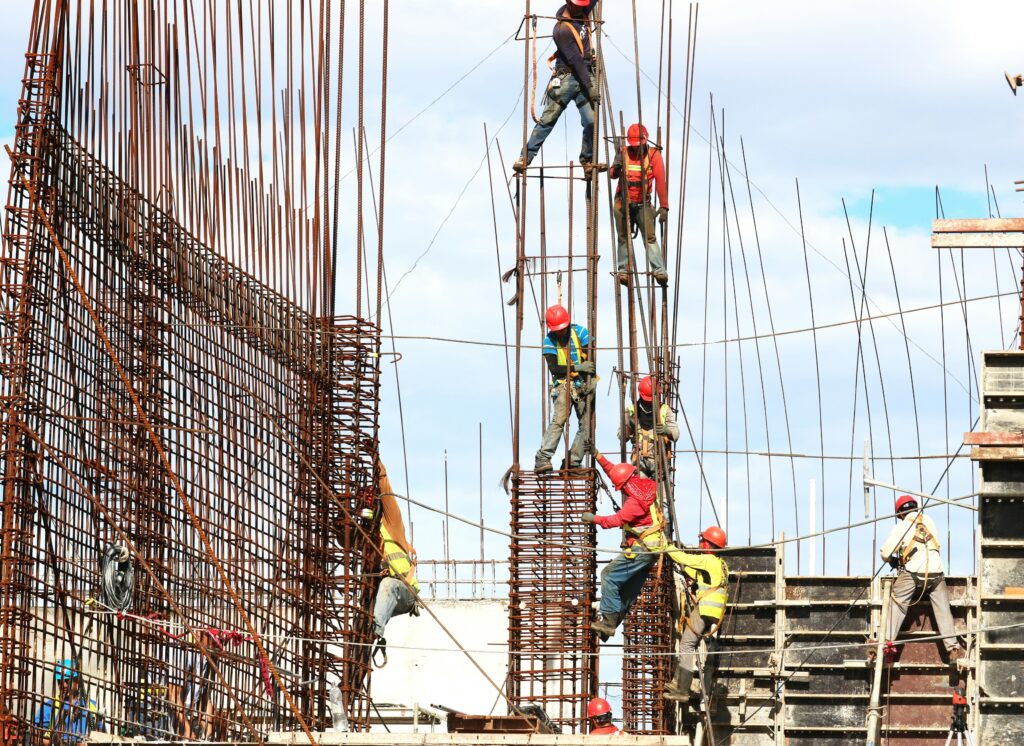
Deformed reinforcing steel bars, commonly known as rebar, are essential materials in reinforced concrete construction. Whether you are building a residential house, commercial structure, or infrastructure project, knowing the deformed bar prices per length helps you prepare an accurate construction estimate and avoid budget overruns.
This guide provides an overview of rebar sizes, standard lengths, and pricing factors in the Philippines.
What is a Deformed Reinforcing Steel Bar?
A deformed reinforcing steel bar is a steel rod with surface ribs designed to improve bonding with concrete. These ribs prevent slippage and increase structural strength.
Deformed bars are widely used for:
- Concrete beams
- Columns
- Slabs
- Footings and foundations
- Retaining walls
Standard Length of Deformed Bars in the Philippines
In most Philippine hardware suppliers and steel distributors, the standard length of deformed bars is:
✔ 6.0 meters
✔ 7.5 meters (limited availability)
✔ 9.0 meters (project-based supply)
✔ 12.0 meters (most common for large projects)
Contractors typically order 6m or 12m lengths depending on project requirements and transportation considerations.
Common Deformed Bar Sizes
Here are the typical diameters used in residential and commercial construction:
- 10mm (Grade 33 / Grade 40 / Grade 60)
- 12mm
- 16mm
- 20mm
- 25mm
- 28mm
- 32mm
The price varies depending on diameter, grade, and current steel market conditions.
Deformed Reinforcing Steel Bar Prices per Length
Rebar prices fluctuate due to global steel demand, import costs, and supply chain factors. Prices are usually quoted:
- Per piece (per length)
- Per kilogram
- Per metric ton (MT)
When preparing a construction estimate, it is important to confirm:
- Current hardware price
- Grade of steel (Grade 33, Grade 40, Grade 60)
- Length per piece
- Delivery cost
For accurate budgeting, always request updated quotations from suppliers.
Factors Affecting Rebar Prices
Several factors influence deformed bar prices in the Philippines:
- Global steel market trends
- Exchange rates
- Fuel and transportation costs
- Import duties and supplier markups
- Bulk order discounts
Because of price fluctuations, contractors usually include a contingency allowance in their estimates.
Estimating Tip for Contractors and Engineers
When estimating rebar cost:
- Calculate total required weight or quantity based on structural plans.
- Add cutting and bending allowance.
- Consider wastage allowance (usually 3%–5%).
- Verify current supplier pricing before finalizing your proposal.
Proper quantity takeoff and updated price checking prevent cost overruns during construction.